Breathing in, I know I am breathing in; breathing out, I know I am breathing out

picture of garbage

This mindful breathing practice, “Breathing in, I know I am breathing in; breathing out, I know I am breathing out,” holds a profound depth. It occupies a liminal space between the conscious and unconscious, where one can explore the dynamic balance between the autonomous functioning of the body and the influence of the mind.

When you breathe in, you may notice the cool air entering your body, filling your lungs. This active awareness underscores the physical aspect of the practice. On the exhale, you might perceive a sense of relaxation as you let go of the breath. Your breathing becomes an exploration of the present moment, a tangible connection to the here and now.

Bringing attention to this simple yet essential act fosters a unity between the body and mind, nourishing both. Conveniently, it’s a practice that doesn’t require a particular setting or time; it can be performed anytime, anywhere.

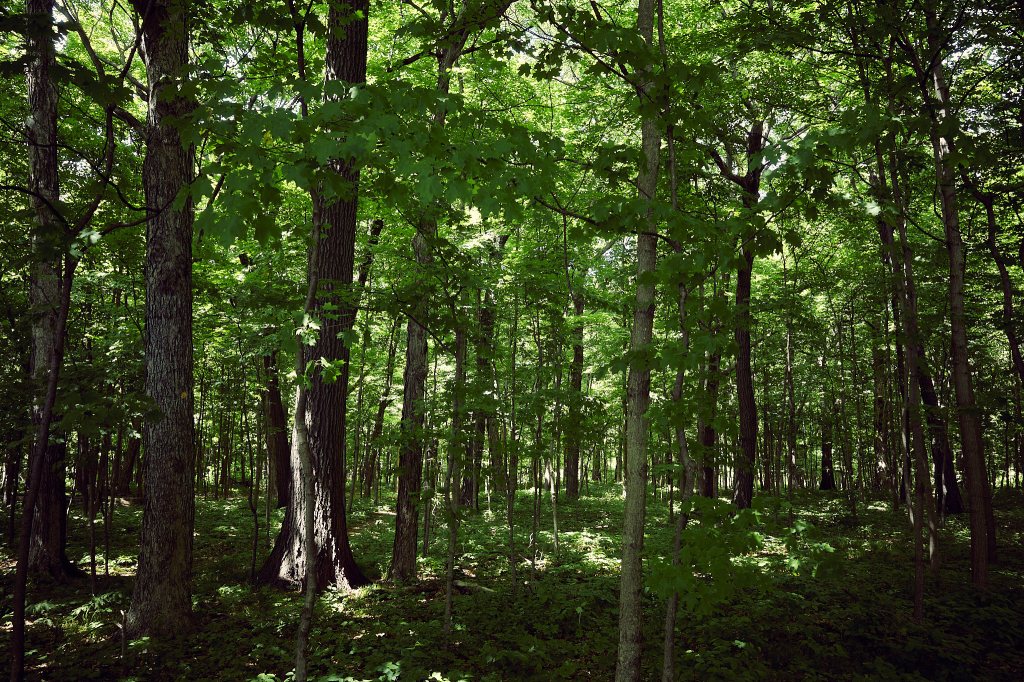
In moments of stress, shifting the focus to the belly can help calm the turbulent mind. Placing a hand on your stomach to feel the rise and fall of your breath anchors your awareness in the physical world. Thich Nhat Hanh uses the analogy of a tree: while the wind may buffet its crown, causing the branches to sway to and fro, the trunk remains steady and calm. Similarly, even amidst the turmoil of life, this practice can serve as your steady trunk, grounding you in the midst of chaos.

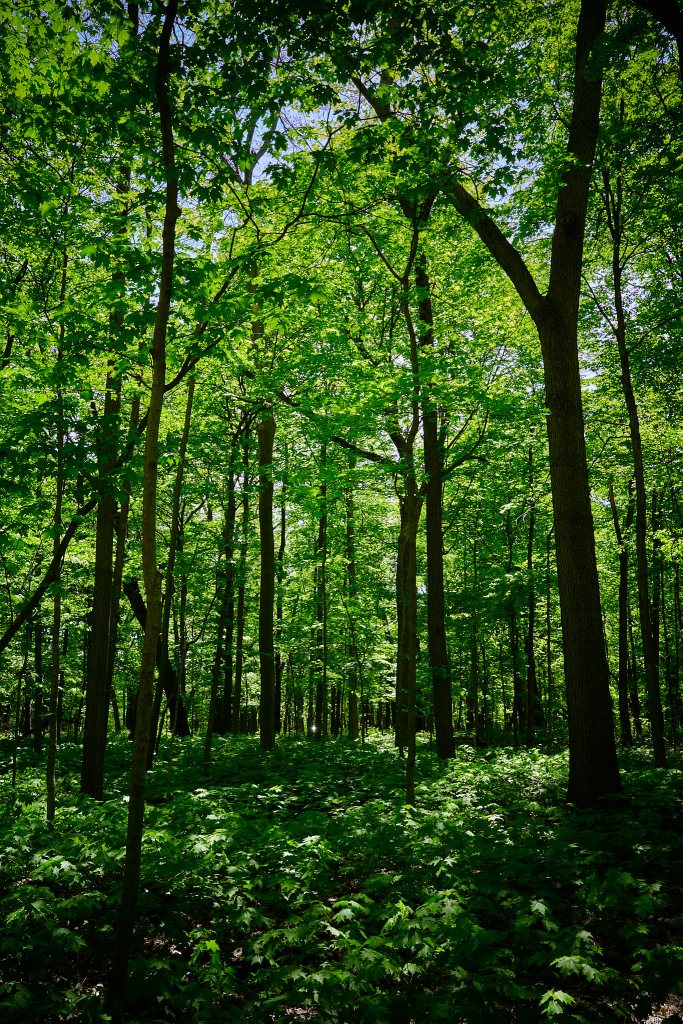
Finally, mindful breathing can deepen our understanding of our interconnectedness with the Earth. As we breathe in oxygen produced by plants and trees, and exhale the carbon dioxide they take in, we become more attuned to the cyclical nature of life and our place within these cycles. The ever-changing rhythm of our breath serves as a gentle reminder of the impermanence inherent in our existence.

This mindful breathing exercise is not just a technique for relaxation or stress reduction, but a pathway to experiencing interconnectedness, impermanence, and the richness of the present moment.
Smile and Release

In Thich Nhat Hanh’s mindful breathing exercise “Breathing in, I smile; breathing out, I release,” the concepts of smiling and releasing are combined to create a powerful tool for cultivating emotional balance, inner peace, and well-being.

The act of smiling is not necessarily directed at a specific object or person. Instead, it serves as a gentle reminder to cultivate feelings of joy, happiness, and gratitude within oneself. Smiling has been scientifically shown to release endorphins, which are natural chemicals in the brain that can help improve mood and reduce stress. By consciously choosing to smile as you breathe in, you are fostering a sense of inner happiness and contentment that is not reliant on external circumstances. The smile in this context is an expression of self-compassion, loving-kindness, and gratitude for the present moment.

On the other hand, the concept of “release” refers to the act of consciously letting go of any negative emotions, tensions, or stress that may have built up in your mind and body. When practicing this breathing exercise, the focus is on using the exhale as a means to release and let go of any feelings of anxiety, stress, anger, or emotional pain that you may be experiencing. This can help create space for positive emotions and thoughts to arise, fostering a sense of mental and emotional well-being.

By combining the act of smiling during the inhale with the release during the exhale, Thich Nhat Hanh aims to teach individuals how to cultivate emotional balance and inner peace. This practice encourages individuals to be aware of their emotions, acknowledge them without judgment, and then consciously release them, promoting a greater sense of mental clarity and emotional stability. In this way, the mindful breathing exercise of “smile and release” can have a profound impact on your mental and emotional well-being, as well as on your interactions with others.

Piranesi Circus


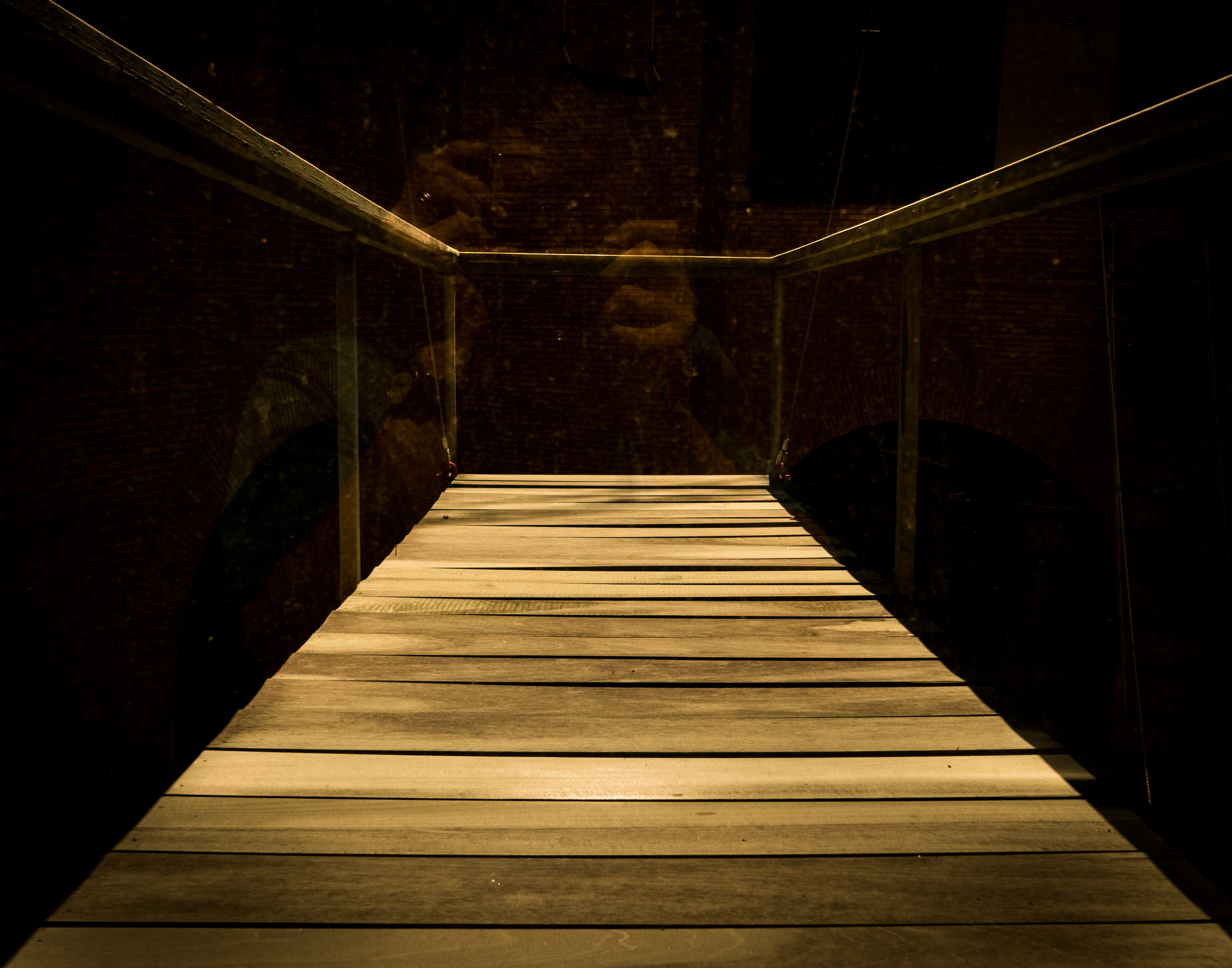
The exhibit in the courtyard in the middle of the Chicago cultural centre has always made a strong impression on me.

I later found out that the work, the Piranesi Circus, was from the Chicago firm Woodhouse Tinucci Architects who worked with Tokyo-based Atelier Bow-Wow on the execution and construction of the project along with Thornton Tomasetti (structural); Chicago Scenic Studios (fabrication).

G.B. Piranesi’s Carceri d’Invenzione (Imaginary Prisons) influenced the work where the vast interior spaces can be considered a visual metaphor for the mind. I wanted to focus on the individual elements by reducing the composition by limiting exposure and tonality.

See also: http://www.woodtinarch.com/2015-cab Marguerite Yourcenar = (The Dark Brain of Piranesi)

I took the pictures in the summer of 2017 always around midday when the sum evenly illuminates the courtyard. Since access to the yard is limited, the images were shot through the windows and provided some reflection on the inner of the building.

The cantilevered balcony lurches out into the void and challenges the observer to enter.

kibitzer

The use of a ladder that leads nowhere provides a recollection of dreams where the subject works in some unending loop.


The swing/trapeze hangs waiting and expresses a feeling of desire.


Zone System overview

ZoneSystem-Gradient-lines

Ansel Adams and Fred Archer formulated the zone system to give photographers a systematic way to set the correct exposure.

Film photographers were the original users of the system; however, the technique is still relevant when shooting digital.

The fundamental concept is that exposure meters give a reading that correctly exposes middle grey.

Middle grey exposure works for most situations. However, there are exceptions:

Light tones dominate
Consider shooting a picture of a very light subject, for example, snow – since the meter gives exposure for middle grey (not nearly as bright as the subject) the reading given underexposes the subject. The underexposure is because the meter brings the luminance down to middle grey.
To get the correct exposure the photographer needs to increase the exposure by a few stops.

Dark tones dominate
Conversely, if you are shooting a dark subject, for example, dark wood, then the meter gives an exposure that brings the dark up to medium grey, again the yields the dark wood tones overexposed – so the photographer needs to reduce the exposure.

To take your shooting to the next level, start to look at the scene you are photographing and decide the tonalities you want in your picture, are the main subjects dark or light? How do you want them to appear?

Once you have decided the tonalities you want, you can use the table below to figure out the appropriate zone.

Zone Description
0 Pure black
1 Near black, with slight tonality but no texture
2 Textured black; the darkest part of the image where you can see small detail
3 Average dark materials and low values showing adequate texture
4 Average dark foliage, dark stone, or landscape shadows
5 Middle grey: clear north sky; dark skin, average weathered wood
6 Average Caucasian skin; light stone; shadows on snow in sunlit landscapes
7 Very light skin; shadows in snow with acute side lighting
8 Lightest tone with texture: textured snow
9 Slight tone without texture; glaring snow
10 Pure white: light sources and specular reflections

There is a one stop difference between each zone. Let’s suppose you decide the primary tones are in zone 8 since that is three stops above zone 5 so you will need to increase the exposure by three stops to get the exposure right.
For example, if your meter read f16, then you would use f 5.6 when taking the picture (remember that reducing the F-stop increases the exposure).

Hubbard Street murals project

hubbard

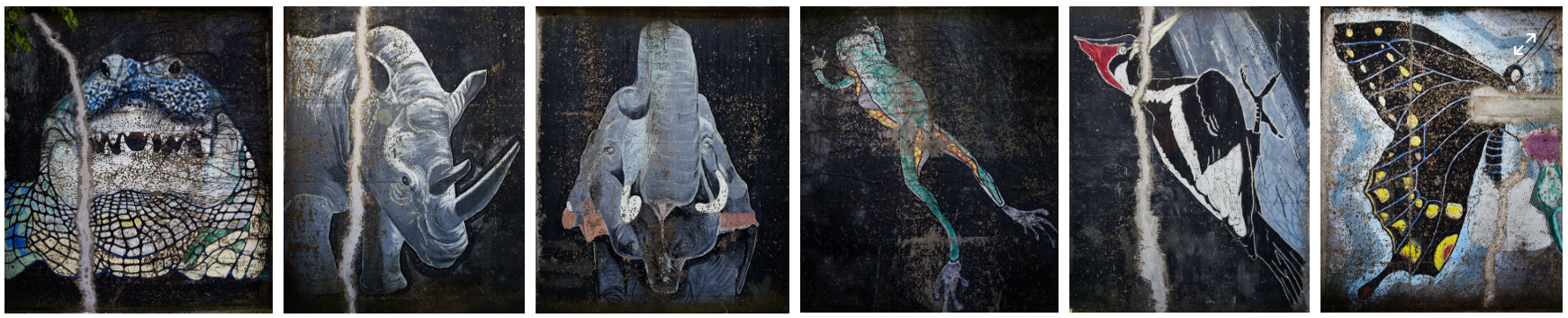
I undertook this project to photograph some of what was the Hubbard Street mural project initiated in the 1970’s by Ricardo Alonzo, an Art Institute of Chicago graduate.

Over an eight-year period, Alonzo and volunteers from the West Town Community Art Center painted murals along a mile-long stretch of Hubbard Street, from Des Plaines to Ogden, until their funding ran out in 1979.

I first noticed the murals out my Metra train window while I was looking to produce a project influenced by Wabi-sabi, and how it translates to an urban environment outside of Japan. They provided an ideal way to explore how time and decay have affected these artworks.

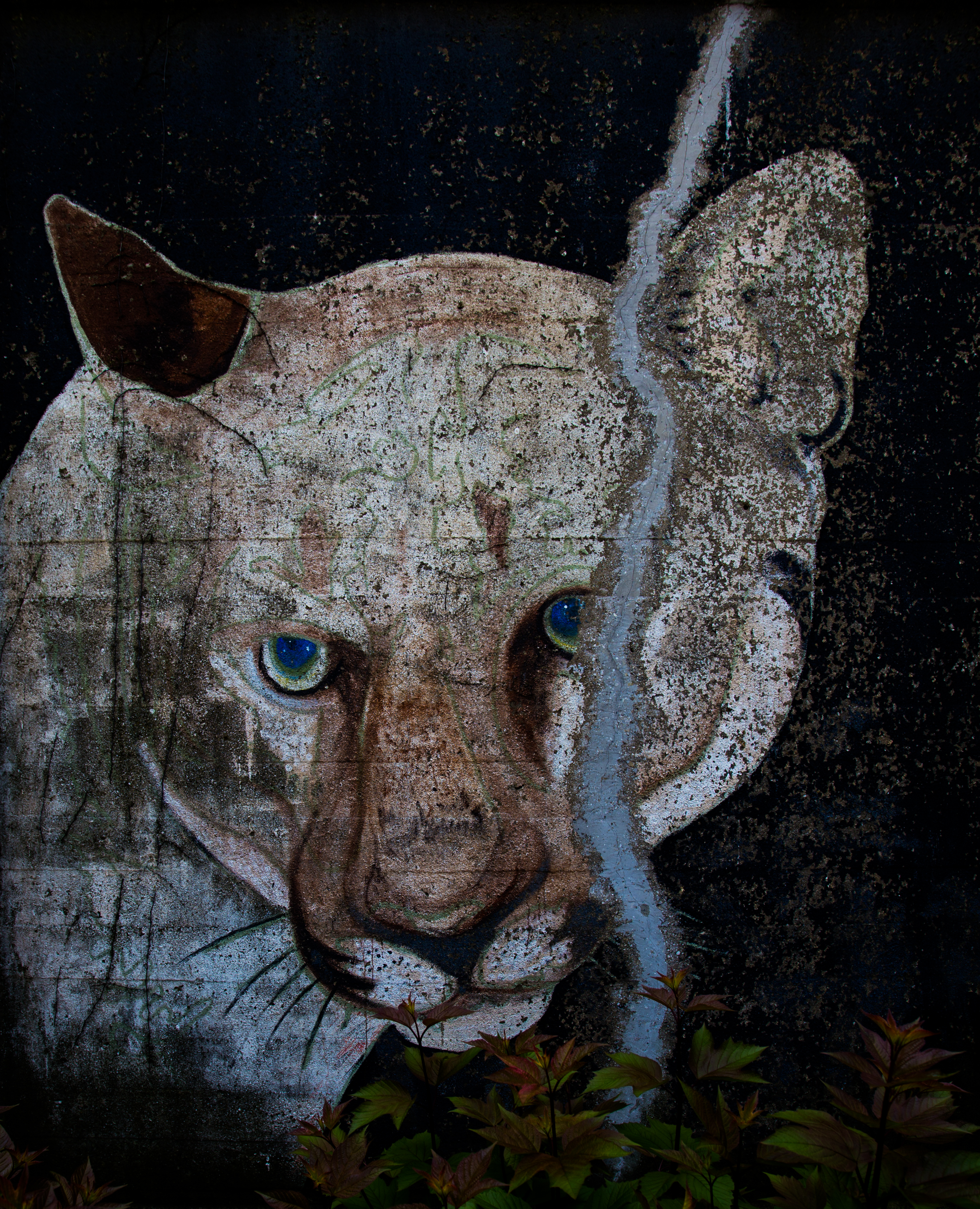
BigCat


The originals would have been vibrant and colourful, time, paint overs, weather and construction have taken their toll on the work.

Most people will not see the murals because they are in an obscure place, where most people wouldn’t ordinarily have a chance to view them. I want to raise awareness of this still-vibrant, if fading, original community project, and to introduce some of my work locally.

After producing some shots in monochrome, I decided to reshoot the set in colour to have a better record of the original work.

You see the full set of pictures here