This mindful breathing practice, “Breathing in, I know I am breathing in; breathing out, I know I am breathing out,” holds a profound depth. It occupies a liminal space between the conscious and unconscious, where one can explore the dynamic balance between the autonomous functioning of the body and the influence of the mind.
When you breathe in, you may notice the cool air entering your body, filling your lungs. This active awareness underscores the physical aspect of the practice. On the exhale, you might perceive a sense of relaxation as you let go of the breath. Your breathing becomes an exploration of the present moment, a tangible connection to the here and now.
Bringing attention to this simple yet essential act fosters a unity between the body and mind, nourishing both. Conveniently, it’s a practice that doesn’t require a particular setting or time; it can be performed anytime, anywhere.
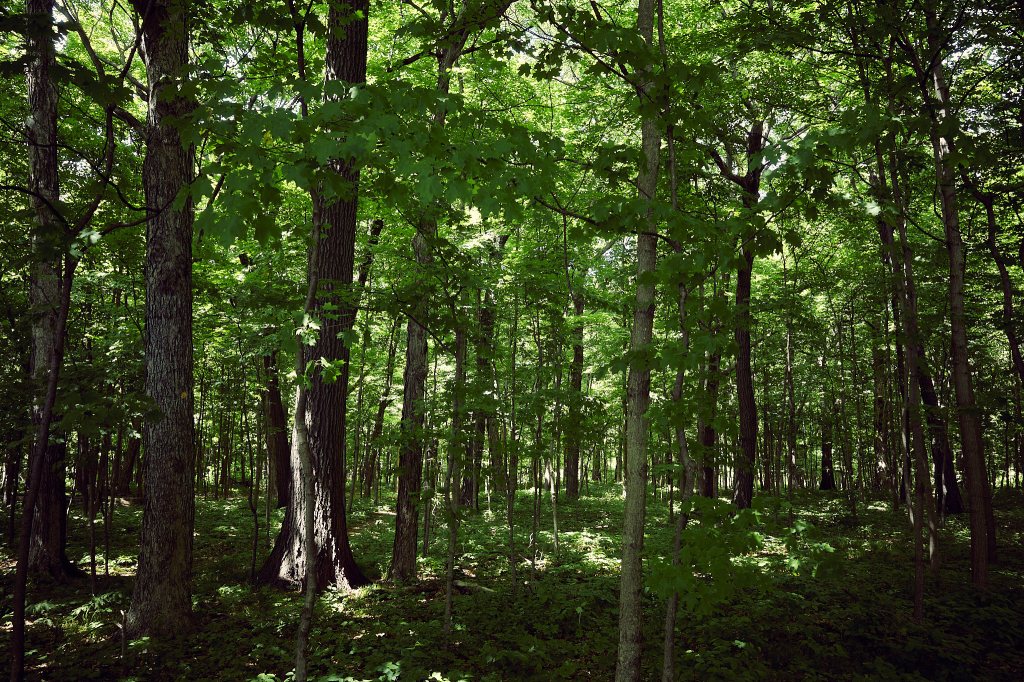
In moments of stress, shifting the focus to the belly can help calm the turbulent mind. Placing a hand on your stomach to feel the rise and fall of your breath anchors your awareness in the physical world. Thich Nhat Hanh uses the analogy of a tree: while the wind may buffet its crown, causing the branches to sway to and fro, the trunk remains steady and calm. Similarly, even amidst the turmoil of life, this practice can serve as your steady trunk, grounding you in the midst of chaos.
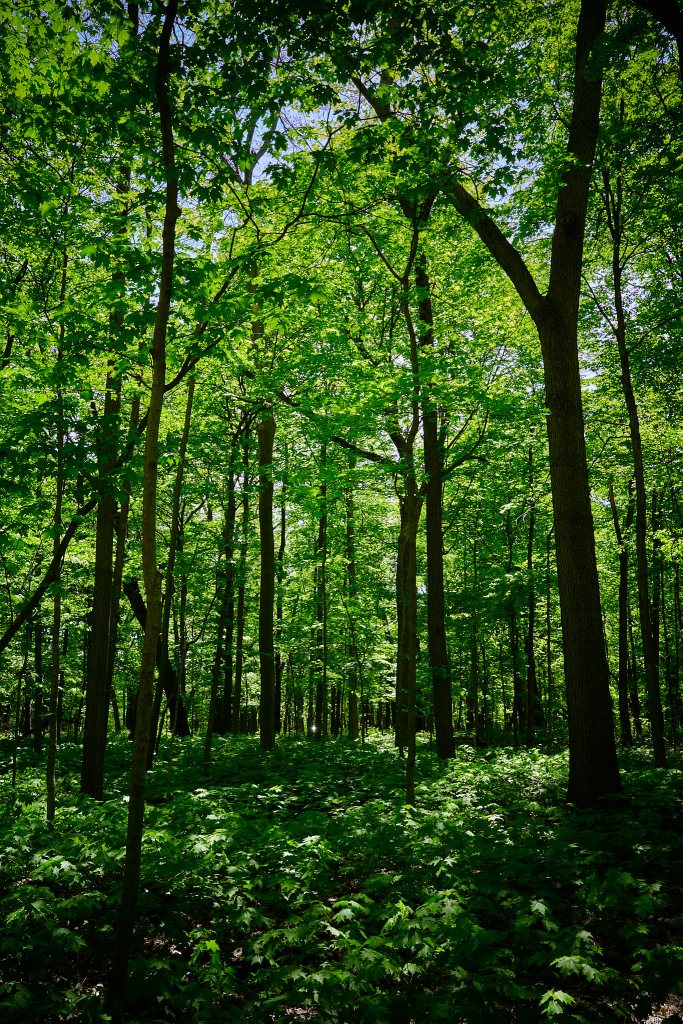
Finally, mindful breathing can deepen our understanding of our interconnectedness with the Earth. As we breathe in oxygen produced by plants and trees, and exhale the carbon dioxide they take in, we become more attuned to the cyclical nature of life and our place within these cycles. The ever-changing rhythm of our breath serves as a gentle reminder of the impermanence inherent in our existence.
This mindful breathing exercise is not just a technique for relaxation or stress reduction, but a pathway to experiencing interconnectedness, impermanence, and the richness of the present moment.
 John Unwin Photography