
The Wonder of the Present Moment: Unpacking Thich Nhat Hanh’s Mindfulness Meditation

Thich Nhat Hanh, a revered Zen Buddhist monk, teaches the practice of mindful breathing, encouraging us to dwell in the present moment and recognize its innate wonder. His meditative phrase “Dwelling in the present moment, I know it is a wonderful moment,” encapsulates the essence of mindfulness and the joy of being present. Let’s explore the depth of this powerful phrase.

Arriving at the Present

At the heart of Thich Nhat Hanh’s practice, we follow our breath, letting it guide us into the now. As we release our preoccupations with the past and future, we find ourselves truly arriving in the present. This arrival is not a destination but an ongoing, ever-unfolding journey. The simple act of observing—be it the sunlight streaming through a window, the ambient noise of our surroundings, or the tactile experience of rainfall—immerses us in the richness of the present moment. Here, we find peace, untethered by the need to struggle or chase after anything.

The Wonder of Interconnection

The sense of wonder in mindfulness arises when we perceive the interconnectedness of all things. This interconnectedness renders the present moment a culmination of everything that has come before it. An insight that continues to resonate is the realization that every thought, every action of ours or our ancestors, has in some way shaped the reality of our present moment. Similarly, our current thoughts and actions are shaping the future. This intricate web of interconnections makes every moment uniquely wonderful and full of potential.

The Freedom of Release

By dwelling fully in the present moment, we release ourselves from the burdens of the past and the demands of the future. Each moment is ever-changing, mirroring the impermanent nature of life. By understanding the non-self components of the present, we realize that everything around us has come together to create this singular moment. This realization brings with it a profound sense of peace and liberation.

Embracing the Aimless

In the heart of Thich Nhat Hanh’s teachings, we find a concept that may seem counterintuitive—the idea of aimlessness. We are often conditioned to strive, to chase after goals and accomplishments. However, in this meditation, there is no need for striving. Thich Nhat Hanh encourages us to realize that we already embody enlightenment; mindfulness and meditation are merely tools that help us recognize this. He famously said, “We do not sit in order to struggle to get enlightenment. No. Sitting first of all is for the pleasure of sitting.” If we feel tension or pressure, we are encouraged to gently return to our breath, to find rest and ease in simply being.

The Present Moment: A Gift of Life

Thich Nhat Hanh’s teachings invite us to perceive every moment as a gift, a culmination of the past and a seed for the future. Through mindful breathing, we are encouraged to dwell in the present moment and to recognize its innate beauty and wonder. Life unfolds in the here and now, in each breath we take, in each beat of our heart. By embracing the present, we open ourselves to the fullness of life, finding joy, peace, and a deep sense of connection with all of existence.

To delve deeper into these teachings, Plum Village has an app available at https://plumvillage.app/. Here, you can enjoy guided meditations and learn more about the richness of Thich Nhat Hanh’s teachings.

Breathing in Calm, Breathing out Ease: Insights from Thich Nhat Hanh’s Mindfulness Meditation

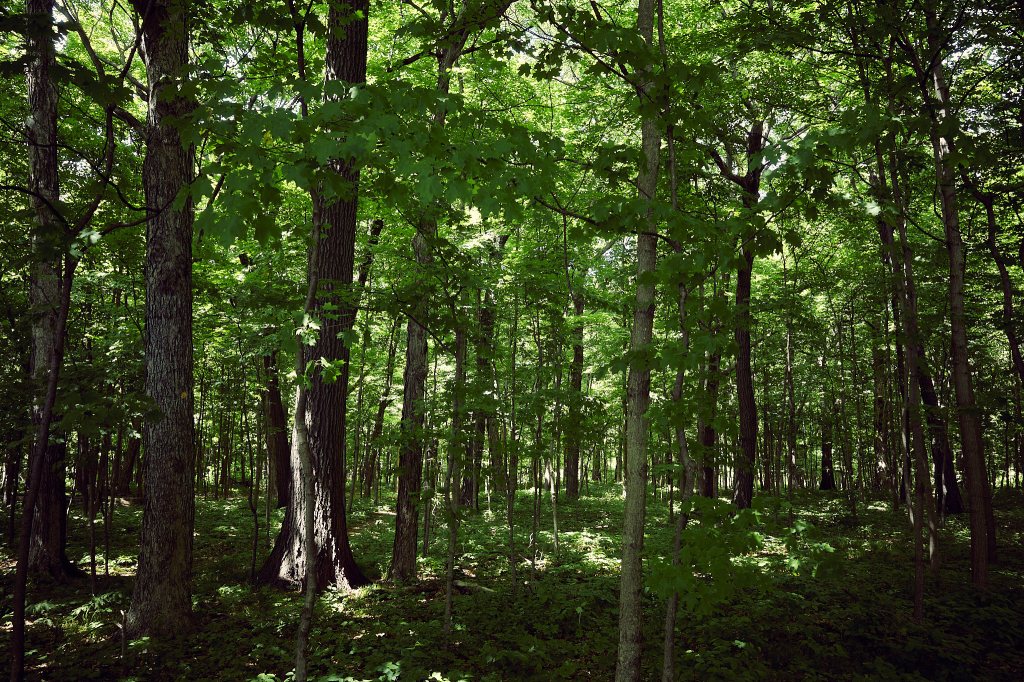
A collection of leaves

In the teachings of Thich Nhat Hanh, a renowned Zen Buddhist monk, one finds the essence of mindfulness elegantly captured in the meditative practice of mindful breathing. Thich Nhat Hanh invites us to acknowledge: “Breathing in, I feel calm. Breathing out, I feel ease.” It’s a simple yet profound instruction, guiding us towards a journey of inner tranquility and harmony.

Following the Breath: The Gateway to Calmness

At the heart of this meditation is a practice as natural as breathing. As we turn our attention to the breath, we invite a gradual calming of both the body and mind. This focused awareness anchors us in the present moment, a respite from the incessant chatter of our thoughts. You might find it helpful to visualize the feeling of calm during the in-breath – perhaps liken it to the soothing sensation of a cool breeze on your body or warm sunlight caressing your skin.

Embracing Ease: Beyond Physical Relaxation

The practice goes beyond instilling calm. With each out-breath, we’re encouraged to cultivate a feeling of ease, a state of relaxed comfort. The energy of mindfulness gives us the capacity to be at ease in various ways – with our physical body, our senses, our perceptions, feelings, thoughts, and the incessant change that life brings.

Being at ease is not just about physical relaxation, but also about a gentle acceptance and peace with our surroundings, environment, and internal mental landscape. It’s a holistic ease, a state of serene harmony with ourselves and the world.

Recognizing and Returning: The Heart of Mindfulness

If you find yourself not at ease, mindfulness offers a gentle solution. Recognize those feelings, thoughts, and perceptions that are causing unease. Acknowledge them without judgment, and then gently return to your breath. This act of recognizing and returning forms the very heart of mindfulness practice.

The Joy of ‘Non-doing’: Breathing as Aimless Pleasure

Importantly, this practice isn’t about applying pressure or striving towards some distant goal. Rather, it’s about relishing the aimless pleasure of breathing, of being alive in the present moment. It’s a joyous reminder that meditation doesn’t have to be a solemn endeavor – it can be a source of simple, profound happiness.

This idea finds an echo in the Taoist concept of “Wu Wei”, or “effortless action”, which emphasizes aligning with the natural flow of things. Just as the Taoist aligns with the natural course of Tao, the meditator aligns with the natural rhythm of the breath, finding peace, calm, and ease.

Invitation to Practice

The teachings of Thich Nhat Hanh provide an open invitation to explore the depths of our being. By following our breath and cultivating feelings of calm and ease, we can traverse an inward journey towards tranquility and understanding. Remember, the journey of mindfulness is not a race but a walk in awareness, taken one breath at a time. So, why not take that first breath now?

To delve deeper into these teachings, Plum Village has an app available at https://plumvillage.app/. Here, you can enjoy guided meditations and learn more about the richness of Thich Nhat Hanh’s teachings.
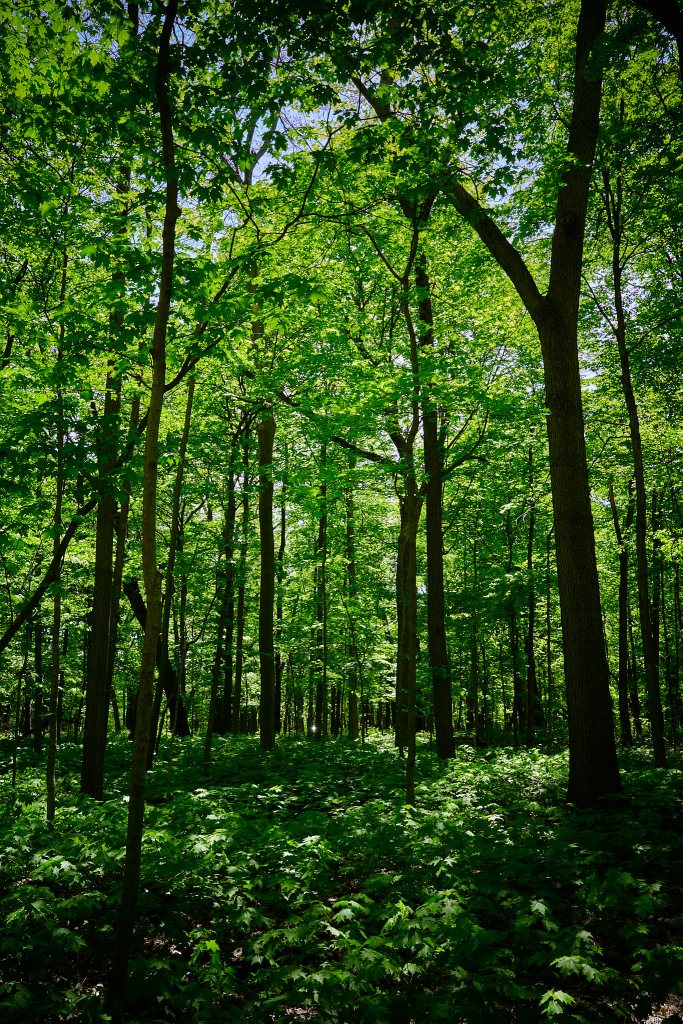
Breathing in, I know I am breathing in; breathing out, I know I am breathing out

picture of garbage

This mindful breathing practice, “Breathing in, I know I am breathing in; breathing out, I know I am breathing out,” holds a profound depth. It occupies a liminal space between the conscious and unconscious, where one can explore the dynamic balance between the autonomous functioning of the body and the influence of the mind.

When you breathe in, you may notice the cool air entering your body, filling your lungs. This active awareness underscores the physical aspect of the practice. On the exhale, you might perceive a sense of relaxation as you let go of the breath. Your breathing becomes an exploration of the present moment, a tangible connection to the here and now.

Bringing attention to this simple yet essential act fosters a unity between the body and mind, nourishing both. Conveniently, it’s a practice that doesn’t require a particular setting or time; it can be performed anytime, anywhere.

In moments of stress, shifting the focus to the belly can help calm the turbulent mind. Placing a hand on your stomach to feel the rise and fall of your breath anchors your awareness in the physical world. Thich Nhat Hanh uses the analogy of a tree: while the wind may buffet its crown, causing the branches to sway to and fro, the trunk remains steady and calm. Similarly, even amidst the turmoil of life, this practice can serve as your steady trunk, grounding you in the midst of chaos.

Finally, mindful breathing can deepen our understanding of our interconnectedness with the Earth. As we breathe in oxygen produced by plants and trees, and exhale the carbon dioxide they take in, we become more attuned to the cyclical nature of life and our place within these cycles. The ever-changing rhythm of our breath serves as a gentle reminder of the impermanence inherent in our existence.

This mindful breathing exercise is not just a technique for relaxation or stress reduction, but a pathway to experiencing interconnectedness, impermanence, and the richness of the present moment.

Smile and Release

In Thich Nhat Hanh’s mindful breathing exercise “Breathing in, I smile; breathing out, I release,” the concepts of smiling and releasing are combined to create a powerful tool for cultivating emotional balance, inner peace, and well-being.

The act of smiling is not necessarily directed at a specific object or person. Instead, it serves as a gentle reminder to cultivate feelings of joy, happiness, and gratitude within oneself. Smiling has been scientifically shown to release endorphins, which are natural chemicals in the brain that can help improve mood and reduce stress. By consciously choosing to smile as you breathe in, you are fostering a sense of inner happiness and contentment that is not reliant on external circumstances. The smile in this context is an expression of self-compassion, loving-kindness, and gratitude for the present moment.

On the other hand, the concept of “release” refers to the act of consciously letting go of any negative emotions, tensions, or stress that may have built up in your mind and body. When practicing this breathing exercise, the focus is on using the exhale as a means to release and let go of any feelings of anxiety, stress, anger, or emotional pain that you may be experiencing. This can help create space for positive emotions and thoughts to arise, fostering a sense of mental and emotional well-being.

By combining the act of smiling during the inhale with the release during the exhale, Thich Nhat Hanh aims to teach individuals how to cultivate emotional balance and inner peace. This practice encourages individuals to be aware of their emotions, acknowledge them without judgment, and then consciously release them, promoting a greater sense of mental clarity and emotional stability. In this way, the mindful breathing exercise of “smile and release” can have a profound impact on your mental and emotional well-being, as well as on your interactions with others.