
“Breathing in, I feel calm; breathing out, I feel ease.”
A tranquil lake, steady amidst life’s movement, mirrors the stability and calm cultivated through mindful breathing.
Mindful breathing, as taught by Thich Nhat Hanh, is a timeless practice rooted in the Anapanasati Sutta (the Sutra on the Full Awareness of Breathing). It is a simple yet profound way to connect with the present moment, bringing calm, joy, and clarity to our lives. Through conscious attention to the breath, we bridge the mind and body, cultivating peace and insight.
This five-part practice offers a simple path to mindfulness, with each step drawing from Thich Nhat Hanh’s teachings and reflecting the wisdom of the Anapanasati Sutta. Whether you are new to mindfulness or seeking a structured approach to deepen your practice, these steps are for you.
The Five-Part Practice
1. Breathing in, I know I am breathing in; breathing out, I know I am breathing out
This foundational step invites you to simply observe the breath. Focus on the cool air entering your nostrils and the gentle release of warmth as you exhale. By paying attention to the rhythm of the breath, you anchor yourself in the here and now. Thich Nhat Hanh likens this to the stability of a tree trunk, steady amidst life’s storms.
Personal Note: “I like to settle into my environment first—feeling the cushion beneath me, noticing the light, and allowing everything to calm down naturally before focusing on my breath.”
—2. Breathing in, my breath grows deep; breathing out, my breath goes slow
Depth and slowness are the hallmarks of this phase. Let your breath naturally deepen and slow down, bringing relaxation to your body and mind. This practice is not about control but gentle awareness, allowing each breath to guide you toward calmness. As the breath connects you to the cycles of nature, you may feel a sense of gratitude for the interconnection between yourself and the world around you.
Personal Note: “I often notice how my breath takes care of itself, gradually becoming deeper and slower without any effort. If my nose is stuffy or my breaths feel shallow, I simply notice that too—there’s no need to force or fix it.”
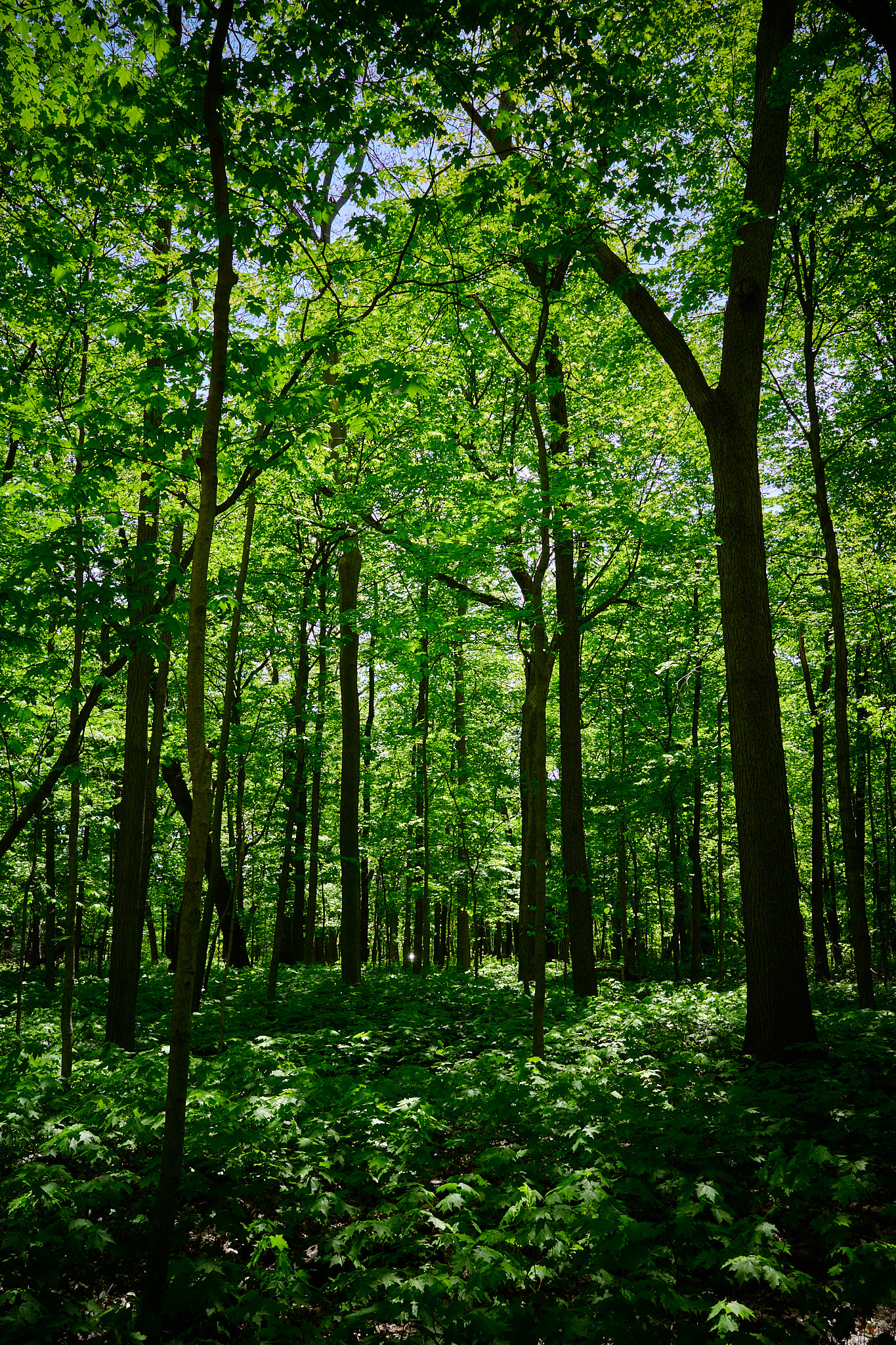
The forest reminds us of our interconnection with the natural world, as each breath sustains and nourishes life.
3. Breathing in, I feel calm; breathing out, I feel ease
This practice introduces tranquility and harmony. Visualize calmness as you breathe in—a soft breeze or golden light filling your being. On the out-breath, release tension and invite ease. Even in moments of unease, this gentle awareness helps you acknowledge and let go of stress, offering solace and balance.
Personal Note: “I place a hand on my belly here to help focus on my core rather than my mind. It helps deepen the calming effect. As I breathe out, I think of riding a bike downhill, feeling that effortless ease.”
—4. Breathing in, I smile; breathing out, I release
A simple smile during the in-breath fosters joy and self-compassion. Let this smile be genuine and nurturing, a reminder to treat yourself with kindness. On the out-breath, release anything holding you back—negative emotions, tension, or unnecessary thoughts. This step clears the way for emotional balance and clarity, making room for positive energy.
Personal Note: “I like to smile at different parts of my body, and sometimes I jiggle my hands or forehead to help release tension there. When thoughts arise, I try to identify them and gently let them go, practicing awareness without holding on.”
—5. Dwelling in the present moment, I know it is a wonderful moment
The culmination of the practice lies in fully embracing the present moment. By letting go of worries about the past or future, you immerse yourself in the richness of now. This moment is a gift, and mindfulness allows you to savor it fully. With practice, you will find freedom and peace in the impermanence of each breath.
Personal Note: “For me, the wonderful part is often the calmness—the reduction of all the things pulling at my attention. Even a brief glimpse of this is enough to feel the benefit throughout the day for myself and those around me.”
Relating the Five-Part Practice to the Anapanasati Sutta
The Anapanasati Sutta outlines sixteen ways of breathing, categorized into four domains: body (form), feelings, mental formations, and perceptions. Each element of this five-part practice aligns with these teachings:
- Breathing Awareness connects to the body (form), grounding us in the physical experience of the breath.
- Depth and Slowness reflect calming the body and cultivating a natural rhythm.
- Calm and Ease correspond to feelings, fostering joy and tranquility.
- Smile and Release align with mental formations, inviting concentration, happiness, and the release of burdens.
- Present Moment Awareness integrates perceptions, embracing impermanence, interconnection, and freedom.
By engaging with this practice, we experience the essence of the Anapanasati Sutta in a simplified, accessible way. It reminds us that mindfulness is both a personal and universal journey—a path to liberation that begins with a single breath.
Invitation to Practice
Thich Nhat Hanh’s teachings encourage us to explore mindful breathing as a practice of love and self-compassion. The five-part practice presented here is a doorway to calmness, joy, and insight. Whether you are a beginner or an experienced practitioner, let your breath guide you home.
For more resources, including guided meditations and teachings, visit the Plum Village app (https://plumvillage.app/).
Take a moment now. Breathe deeply. Smile. Release. Rest in the beauty of the present moment.

 John Unwin Photography